6 May 2021
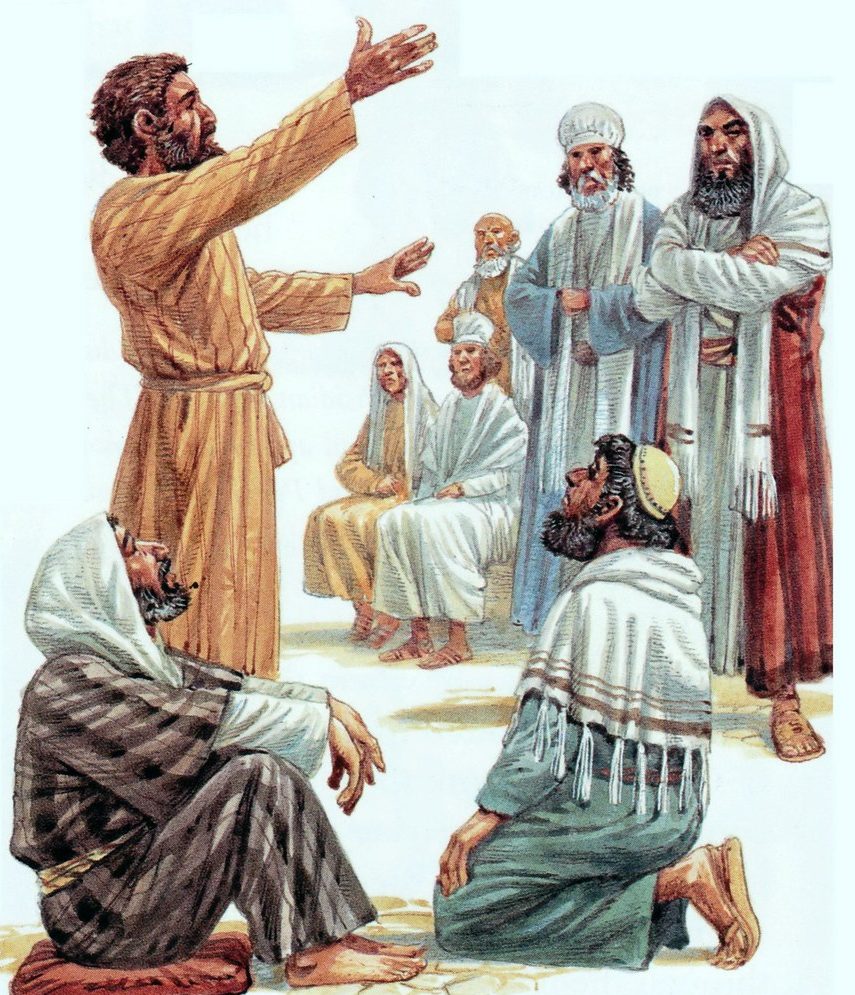
 Therefore I have reached the decision that we should not trouble those Gentiles who are turning to God, but we should write to them to abstain only from things polluted by idols and from fornication and from whatever has been strangled and from blood. For in every city, for generations past, Moses has had those who proclaim him, for he has been read aloud every sabbath in the synagogues.’
Acts 7-21, NRSV
Following the disagreement about whether Gentile converts to Christianity should first become Jews, a council of the apostles and elders of the Church was convened in Jerusalem. The outcome of this meeting would determine the whole future of the Church. Peter was the first to speak and he made it clear that God was already saving those whom some thought could not be saved and that the Holy Spirit had been given to Gentiles as well as to Jews. Peter reasoned that it would be unfair to impose on the Gentiles a law which many Jews and their ancestors struggled to live by. Peter’s address was so powerful that the entire assembly was silenced and prepared to listen to Paul and Barnabas as they described the signs and wonders they had witnessed among the “pagans”. It fell to James, the leader of the Church in Jerusalem, to conclude the meeting. James recalled the words of the prophets who had foreseen that God would raise up a people from amongst the pagans. He ruled that only a few requirements should be made of those Gentiles turning to God. These requirements would enable Gentile converts not to act in a way that would upset the Jewish community or undermine the witness of the Church. These requirements would also mean that all members of the Church could live in fellowship. Some have described the recommendations made by James as a “rule of love” rather than a “rule of law.”
- Why do you think that leaders with differing opinions were prepared to listen to Peter, Paul and Barnabas?
- How are converts to Christianity in our own time welcomed and supported?
Pray for communities that are divided by disagreement.